


Lymphatic massage (manual lymphatic drainage) is a very light, rhythmic massage that helps lymph fluid move from the tissue towards the lymph nodes behind the knees, in the groin, in the armpits and on the neck. It is used in healthcare for lymphoedema and after surgery, and as self-care for swelling, heavy legs, morning puffiness in the face and a general feeling of heaviness. The effect is mainly less swelling and a lighter feeling the same day; it does not remove fat and is not a treatment for disease. Here we explain how the lymphatic system works, how a treatment is done, which side effects are normal, what to expect before and after, and how to do a simple lymphatic massage yourself at home with your hands or cups.
How the lymphatic system works
The lymphatic system is the body's drainage system. Every day fluid, proteins and waste products leak from the blood vessels into the tissue; the lymph vessels collect the surplus, filter it through the lymph nodes (where the immune system works) and return it to the blood near the collarbones. Unlike blood, lymph has no pump of its own. It is driven by muscle activity, breathing, pulsations from nearby arteries and small valves in the vessels. That is why flow slows when we sit still for long, stand a lot, are hot, have eaten salty food or slept badly, and why feet and ankles swell in the evening and the face in the morning.
What does lymphatic massage do?
- Moves fluid. Light stroking pressure in the direction of lymph flow helps surplus fluid in the skin and subcutaneous tissue on towards the nodes. That is why swollen ankles and a puffy face often look slimmer right after.
- Opens the "stations". Treatment always starts at the lymph nodes closest to the heart (collarbones, armpits, groin) so that there is room for the fluid that is then moved there.
- Calms the nervous system. The slow rhythm leaves many people deeply relaxed, sometimes sleepy.
- What it does not do: burn fat, "detox the body" or cure disease. The fluid that is moved is water, and it returns if the cause (sitting, heat, hormones, salt) remains. More in Lymphatic massage and weight loss.
What a treatment with a therapist looks like
A classic lymphatic massage takes 45–75 minutes. You lie on a table, usually without oil, and the therapist works with very light pressure (about the pressure of stroking an eyelid) in slow, pumping movements: first the neck and collarbones, then armpits and groin, then legs, abdomen, arms and possibly the face. Many are surprised at how light the pressure is; that is intentional, because the superficial lymph vessels lie just under the skin and are compressed by firm pressure. Some salons combine hands with silicone cups (see Cupping massage) or use pressotherapy, compression trousers with air chambers. In Sweden the price is usually around SEK 700–1,300 per treatment depending on location and length; always check the current price with the salon.
Before and after: what to expect
| When | Common experience |
|---|---|
| Right after | Lighter legs, less puffy face, slimmer waist and ankles (fluid), deep relaxation, sometimes tiredness. |
| Same day | Many urinate more, feel thirsty and sleep well. Swelling can return by evening if you stand or sit for long. |
| After 3–5 treatments or 2–3 weeks at home | Less recurring swelling, better mobility in stiff areas, for many a more even skin tone. |
| Long term | The effect lasts as long as the routine does. Movement, water and regular lymphatic massage make a lasting difference; a single treatment does not. |
Before-and-after pictures online usually show the same-day difference in fluid. It is real, but temporary. To see how the face responds week by week, read Facial cupping before and after.
Side effects of lymphatic massage
Lymphatic massage is gentle and the side effects are mild:
- Tiredness and thirst the same day, sometimes a mild headache. Drink water and take it easy.
- Increased urination for a few hours as the fluid leaves the body.
- Temporary redness of the skin, and with cupping light marks if the pressure was too firm.
- Soreness if the therapist also worked over tight muscles.
Serious side effects are uncommon and almost always result from massage being done when it should not have been: with an infection and fever, a blood clot, untreated heart failure, acute kidney disease or active cancer without a doctor's clearance. If you have lymphoedema (chronic swelling after, for example, breast cancer surgery), treatment should be done by a trained lymphoedema therapist and often combined with compression; that is healthcare, not wellness. Full list: When to avoid cupping.
Lymphatic massage during pregnancy
Swollen feet and ankles are common in the last months of pregnancy, and light lymphatic massage of the legs and feet upwards towards the back of the knee often feels good. Avoid the abdomen, lower back and inner thighs, keep the pressure very light and lie on your side rather than your back late in pregnancy. Sudden swelling, especially of the face and hands, or swelling with headache and visual disturbances must be assessed by a midwife immediately. More in Cupping during pregnancy and breastfeeding.
Wellness allowance and insurance (Sweden)
The Swedish Tax Agency's principle is that massage which prevents soreness, stiffness and tension counts as wellness (max SEK 1,000 per occasion, SEK 5,000 per year), while beauty treatments and healthcare do not. Lymphatic massage as wellness massage is accepted by many employers, but the employer decides; ask before you book. Lymphoedema treatment through healthcare is covered by the patient fee, not the wellness allowance.
How to do lymphatic massage yourself at home
- Open the stations: stroke lightly 5–10 times over the hollows above the collarbones, the armpits and the groin.
- Breathe: five deep belly breaths; the diaphragm is the lymph's biggest pump.
- Legs: stroke, or glide an oiled silicone cup, from the ankle up towards the back of the knee and from the knee towards the groin, light pressure, 10–15 strokes per section.
- Abdomen: soft clockwise circles around the navel.
- Face and neck: from the centre of the face outwards and down towards the ears, then down the neck towards the collarbones. See Lymphatic massage for the face.
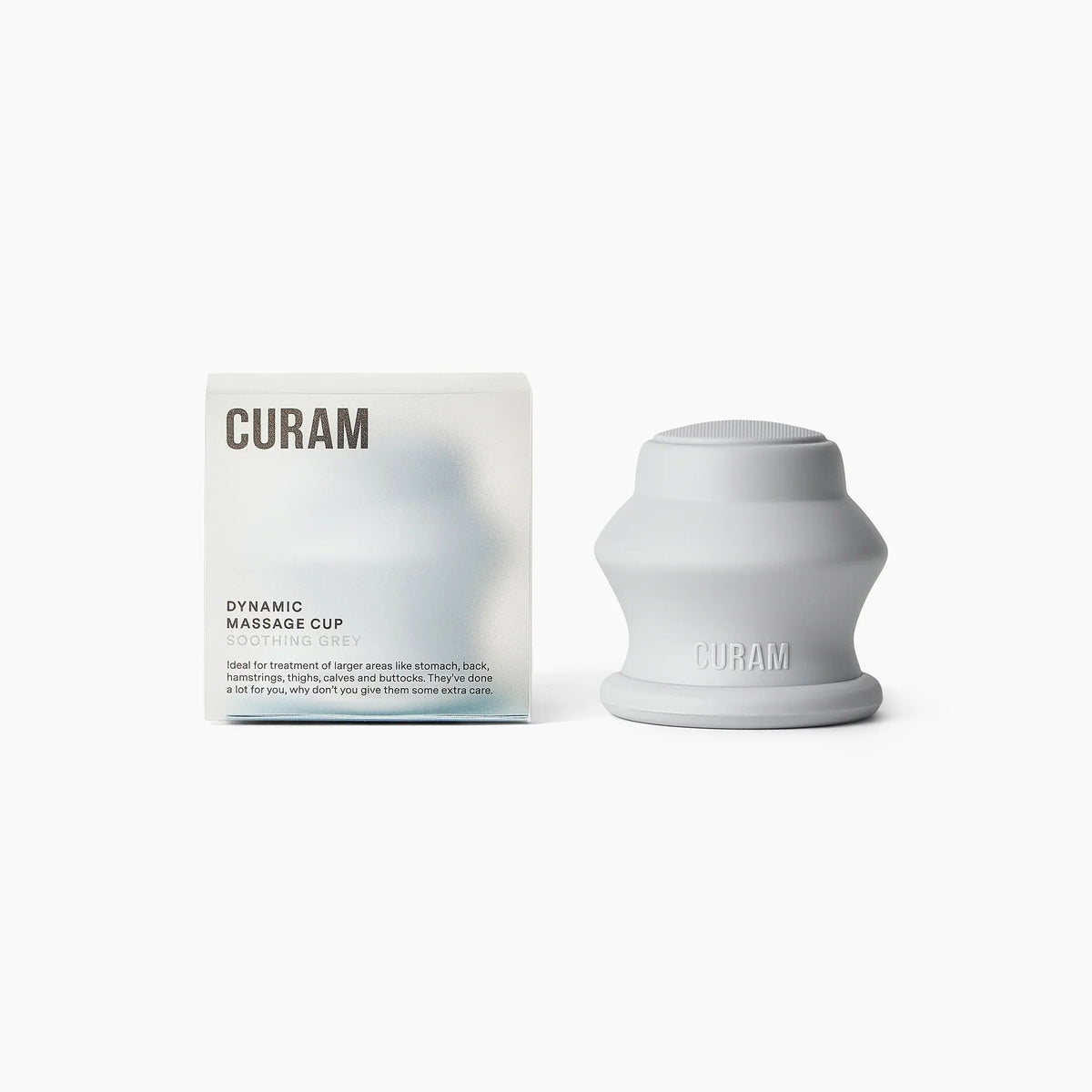
The whole technique, area by area, is in Lymphatic massage at home with cupping. The cup makes it easier to keep an even, light pressure and reach the whole leg: Curam Dynamic Cup for legs and thighs, Dynamic Mini Cup for arms and ankles, Face Cup for face and neck, with the body oil for glide. To compare with machines: Lymphatic massage machine, cups or hands?
Frequently asked questions about lymphatic massage
What is lymphatic massage good for?
Swelling and heavy legs, a puffy face in the morning, stiffness after sitting, recovery after training and relaxation. In healthcare it is used for lymphoedema and after surgery. It is not a method for weight loss or "detox".
How often should you do lymphatic massage?
At home: 2–4 times a week for 10–15 minutes, daily for legs and feet during periods of swelling. With a therapist: often a series of 3–5 treatments and then as needed.
What does it feel like when the lymphatic system gets going?
Many describe lighter legs, urinating more the same day, feeling thirsty and pleasantly tired, and less swelling and puffiness. It should not hurt.
Is lymphatic massage the same as lymphatic drainage?
In everyday language, yes. Manual lymphatic drainage (MLD) is the medical technique lymphoedema therapists are trained in; lymphatic massage is used more broadly for any light massage in the direction of lymph flow, including what you do yourself.
What does the research say?
The best support is for manual lymphatic drainage combined with compression for lymphoedema, and for reduced swelling after surgery. For wellness effects such as "lighter legs" and less morning puffiness there is mainly clinical experience and small studies. How cupping affects tissue and circulation is described in Cupping in numbers.
Written by Curam. Last updated 17 October 2026. This is general self-care information and does not replace medical advice. Lymphoedema, swelling that comes on suddenly or in one leg only, and swelling linked to heart, kidney or cancer conditions must always be assessed by a healthcare professional.


