


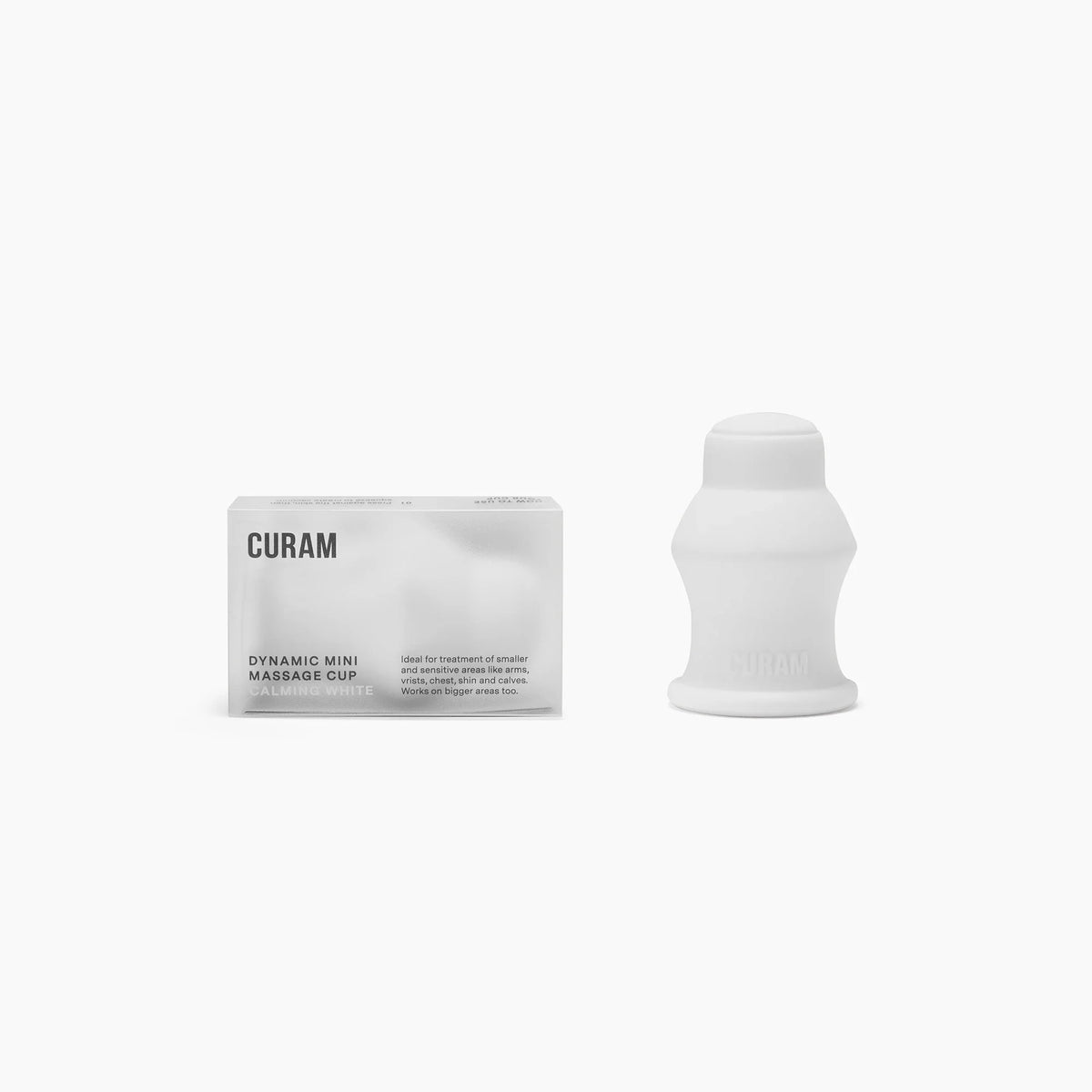
There is no "best lymphatic massage machine" for everyone, because the tools do different things. Pressotherapy boots (compression garments with air chambers) come closest to a real lymphatic massage for the legs and are also used clinically, but cost several thousand kronor and only reach legs or arms. Massage guns are too harsh for the lymph. The dry brush only works on the skin surface. Hands work everywhere but are hard to keep light and even. Soft silicone cups give an even, light lift that suits the lymph, reach the whole body including the face and cost a fraction. Here is the comparison, what the "best in test" lists often miss and how to choose by need.
What the lymph actually needs
The superficial lymph vessels lie just under the skin and respond to light, rhythmic pressure or lift in the direction of the lymph nodes. Firm pressure compresses the vessels and does nothing for flow, and deep vibration affects muscles, not lymph. That explains why tools that are good for tight muscles (massage gun, foam roller) are the wrong tools for swelling. The basics are in What is lymphatic massage?
Comparison
| Tool | What it does for the lymph | Areas | Price (approx.) | Best for | Downsides |
|---|---|---|---|---|---|
| Pressotherapy boots (air chambers pumping from the bottom up) | Very good for the legs: sequential pressure in the direction of lymph flow, used for lymphoedema and in sports recovery | Legs, sometimes arms | SEK 2,000–15,000 | Very swollen legs, recovery for runners and cyclists | Expensive, bulky, 20–40 min per session, does not reach abdomen, back or face |
| Massage gun | Little or none; the pressure is too firm and too focused | Large muscles | SEK 500–4,000 | Tight muscles, not lymph | Can irritate swollen tissue; avoid on neck, abdomen, inner thighs |
| Vibration plate | Indirect: the muscle work pumps the lymph, as with a brisk walk | Whole body (standing) | SEK 1,500–8,000 | Someone combining it with training | No targeted lymph effect; an expensive solution for what a walk gives |
| Dry brush | Light superficial stimulation and exfoliation | Body (not face) | SEK 100–300 | Quick routine before the shower, skin feel | Does not reach the subcutaneous layer; can irritate sensitive skin |
| Hands | Good, if the pressure is kept very light and the direction is right | Everywhere | SEK 0 | Face, travel, acute swelling | Hard to keep even pressure, tiring on legs and back, needs technique |
| Silicone cups | Good: even, light lift of skin and subcutaneous tissue in the direction of lymph flow; the lift separates the tissue layers where the lymph vessels lie | Legs, abdomen, arms, back, neck, face (small cups) | From a couple of hundred kronor; kits with oil and course from about SEK 1,000 | Someone wanting one tool for the whole body, cellulite and recovery | Needs oil for dynamic cupping; static cupping can leave temporary marks |
What the "best in test" lists often miss
- What is tested. Most lists compare pressotherapy boots with each other by number of chambers, pressure and price, not against other methods. A boot that wins the test is still only a solution for the legs.
- Time. A session in the boots takes 20–40 minutes still on the sofa. Ten minutes with cups in the shower or sauna is easier to fit in four times a week, and for the lymph regularity beats intensity.
- The face. No home machine does facial lymphatic massage well. There, hands or a small face cup are what works. See Lymphatic massage for the face.
- Safety. Pressotherapy should not be used with a blood clot, untreated heart failure, infection or untreated lymphoedema without a lymphoedema therapist's assessment, just like manual lymphatic massage. Home products often lack that information.
How to choose
- Very swollen legs every day, or you train hard: pressotherapy boots can be worth the money. Complement with cups for abdomen, arms and face.
- Occasional swelling, heavy legs, cellulite, puffy face: silicone cups and oil. Dynamic Cup for legs, Dynamic Mini Cup for arms and ankles, Face Cup for face and neck; everything for the body is in the Body Kit Small.
- Tight muscles rather than swelling: massage gun or static cups, see Cupping or massage gun.
- Want a quick morning routine for the skin: dry brush before the shower, cups after, see Dry brushing or cupping.
- No budget at all: your hands, the right direction and five deep breaths. The technique is in Lymphatic massage at home.
Safety for all tools
Do not massage or compress swelling that has come on suddenly, is in one leg only, is warm or tender, or with fever, infection, a blood clot, heart failure or active cancer without a doctor's clearance. Lymphoedema is treated through a lymphoedema therapist. List: When to avoid cupping.
Frequently asked questions about lymphatic massage machines
Do lymphatic massage machines work?
Pressotherapy boots work for the legs and are also used in healthcare for lymphoedema. Massage guns and most vibrating "lymphatic massage devices" do little or nothing for the lymph. Hands and silicone cups work everywhere if the pressure is light and the direction right.
Can I do lymphatic massage with a massage gun?
We advise against it. The strike is too firm and too focused for the superficial lymph vessels and can irritate swollen tissue. Use the gun for muscles and cups or hands for the lymph.
Which cups suit lymphatic massage?
Dynamic cupping with light suction: the Dynamic Cup for legs and thighs, the Dynamic Mini Cup for arms, ankles and knees, the Face Cup and Face Cup Mini for face and neck. Guide: How to choose the right cupping cup.
How long does lymphatic massage at home with cups take?
Five minutes for the legs, ten for legs and abdomen, five for the face. Three to four times a week is enough for most people.
Is pressotherapy better than cups?
For very swollen legs, yes. For the whole body, the face, cellulite, price and actually getting it done, no. Many do both: the boots on rest days, the cups in the shower on other days.
Written by Curam. Last updated 17 October 2026. This is general self-care information and does not replace medical advice. Lymphoedema, swelling that comes on suddenly or in one leg only, and swelling linked to heart, kidney or cancer conditions must always be assessed by a healthcare professional.


