


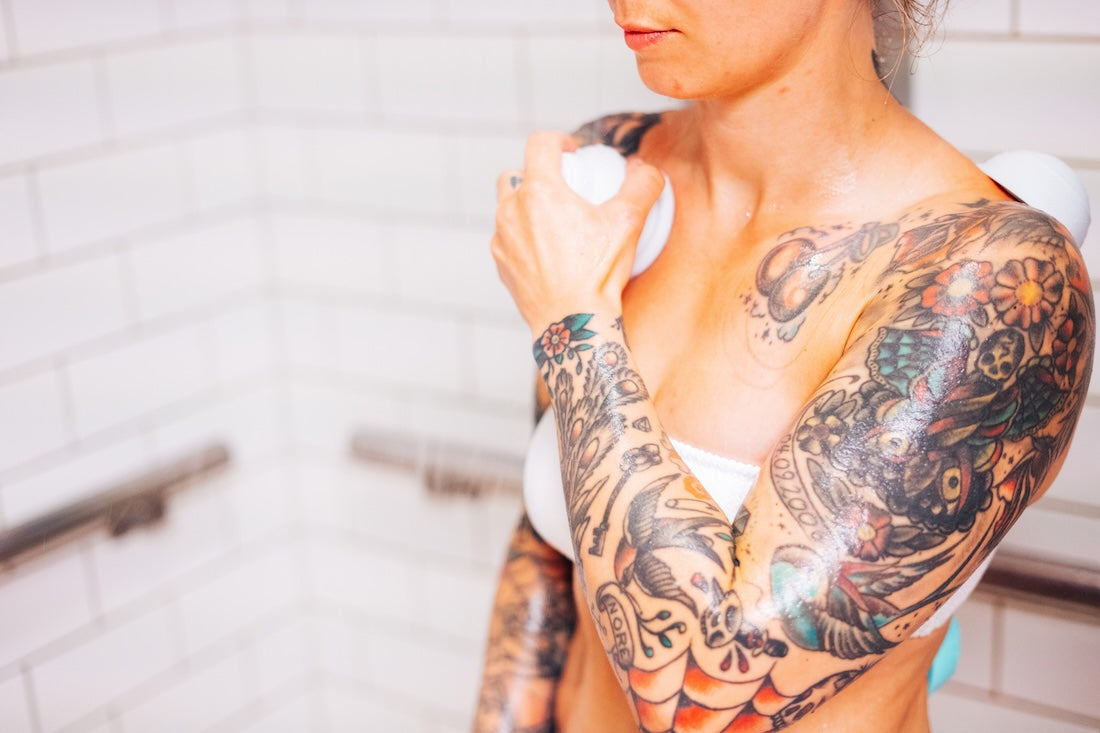
Cupping massage is massage with negative pressure: instead of pressing into the muscle, the cup lifts skin, connective tissue and muscle so that blood and lymph fluid are set in motion. The method has been used for thousands of years to relieve pain and improve circulation, and with soft silicone cups it is easy to do yourself. Here is what cupping massage is, the difference between static and dynamic cups, what it is good for, what a session with a therapist looks like, how to do it at home and when to avoid it.
What is cupping massage?
Cupping is one of the most widely used traditional methods in complementary medicine. A vacuum is created in the cup when you squeeze it against the skin and release; the skin and tissue are drawn up into the cup. The difference from ordinary massage is the direction of the force: massage presses the tissue together, cupping draws it apart. The lift creates space between the tissue layers, increases blood flow and helps lymph fluid move. Full background: What is cupping? The complete guide.
Static and dynamic cups
- Static cups are placed on the body and left in place, usually without oil, for targeted pressure on a specific area. They suit problem areas such as shoulders, neck, back and calves. Curam Static Cups.
- Dynamic cups are used with oil and drawn over the skin in long strokes, circles or zigzags. They suit when you want more circulation and flow over larger surfaces, such as thighs, glutes and back. Curam Dynamic Cup; the Dynamic Mini Cup is softer and suits smaller areas.
What is cupping massage good for?
- Less stiffness and tension: muscle knots and tight bands get fresh blood flow.
- Better recovery after training: increased blood flow and less stiffness the next day.
- Healthier skin: increased elasticity and a more even skin structure, including with cellulite.
- Less swelling: support for lymphatic circulation so fluid is transported away.
- Softer scars: once a scar has healed, careful cupping can soften the tissue.
- More mobility: softer connective tissue (fascia) gives a larger range of motion.
- A calmer nervous system: many describe deep relaxation afterwards.
These are the effects users most often report to us. The experience is individual and builds with regular use.
What does cupping massage with a therapist look like?
The therapist starts by asking about complaints, medication, pregnancy and skin problems, because cupping strongly increases circulation. The area is warmed and oiled, then the cup is drawn in strokes along the direction of the muscle and towards the lymph nodes in the armpits, groin and back of the knee. Static cups are often placed on tight points while the therapist works elsewhere. A session takes 30–60 minutes and is usually combined with ordinary massage.
Does it hurt, and do you get marks?
Cupping massage feels substantial, like a deep massage, but should not hurt. If the connective tissue is very tight or the area swollen, it can feel more at first. Dynamic cupping normally leaves only redness; static cups leave round marks that fade within days. More: Cupping: pros and cons, side effects and marks.
Cupping massage at home
With a dynamic cup and body and massage oil you can give yourself cupping massage on thighs, glutes, calves, arms and parts of the back, and with static cups reach neck and shoulder blades. Start with light suction, a few strokes per area, two to three times a week, and drink water afterwards. Step by step: Cupping at home. Everything you need is in Body Kit Small.
When to avoid cupping massage
With fever, infection, open wounds, fresh scars, severe psoriasis or eczema, ongoing cancer treatment and after a stroke. Always consult a doctor or therapist if you are pregnant, have heart problems, high blood pressure, diabetes or take blood thinners.
Cupping massage in Stockholm, Gothenburg and Malmö: price and how to choose
Cupping massage with a massage or skin therapist in Sweden costs about the same as classic massage, usually SEK 700–1,100 for 45–60 minutes, and can in most cases be paid with the wellness allowance. The selection is largest in Stockholm, followed by Gothenburg and Malmö, and many therapists combine cups with lymphatic or connective-tissue massage. Ask how long the treatment is, whether the cupping is static or dynamic, how the therapist handles marks, and what you should do yourself between visits. A longer run-through of price, questions to ask and what applies in the three cities is in Lymphatic massage near you; if you are a therapist yourself, see Cupping for massage therapists. Therapists working with Curam cups are listed on Curam Spa & salons.
Frequently asked questions
What is the difference between cupping and cupping massage?
Cupping is the umbrella term for all treatment with cups. Cupping massage is when the cup is drawn over oiled skin in massage movements, so-called dynamic cupping, often combined with static cups on individual points.
How often can you have cupping massage?
With a therapist often every two to four weeks depending on need. At home two to three times a week on different areas, with rest for tender areas.
How long does the effect last?
Relaxation and warmth are felt immediately. Effects on mobility, swelling and connective tissue build up and last longer with regular treatment.
Are suction cup massage and cupping massage the same thing?
Yes. Suction cup massage, cup massage and cupping therapy massage are different names for cupping massage.
Can cupping massage help with cellulite?
Dynamic cupping with oil softens dense connective tissue and increases circulation, which can improve skin structure. It does not remove fat and requires regularity. See Cupping for cellulite.
Related guides
Written by Curam. Last updated 16 October 2026. This is general self-care information and does not replace medical care. Talk to your doctor before cupping if you are pregnant, take blood thinners or have a condition affecting skin, blood vessels or blood.


