


Whiplash is a sprain of the neck's muscles, ligaments and small joints that occurs when the head is thrown backwards and forwards, usually in a rear-end collision but also in falls, diving and contact sports. The symptoms often appear only after a few hours to a day: a stiff and tender neck, headache from the base of the skull, ache out into the shoulders and between the shoulder blades, sometimes dizziness, tiredness, difficulty concentrating and numbness in the arms. In the vast majority the injury heals like a sprain, in weeks to a few months, and what has the best evidence is staying in motion from the first day: gentle neck movements, walks and normal activities, not a neck collar and bed rest, which prolong the problems. A smaller group gets long-term problems, and the risk decreases if you move early, get good information and do not become afraid of the neck. Here are the symptoms, the warning signs, the healing week by week, the exercises, the long-term problems and the role of cupping.
How whiplash feels
- Stiffness and ache in the neck that comes hours to a day after the accident and is worst on days two to three.
- Headache from the base of the skull radiating up over the crown or forward to the forehead.
- Ache out into the shoulders, between the shoulder blades and sometimes down the arms, with tingling or numbness.
- Dizziness, unsteadiness, blurred vision, sensitivity to sound and light, tiredness and difficulty concentrating in the first weeks.
- Jaw pain, sleep difficulties and anxiety are common secondary symptoms.
The grading goes from grade 1 (pain without findings) via grade 2 (reduced mobility and tender muscles) and grade 3 (nerve involvement with numbness and weakness) to grade 4 (fracture or dislocation, emergency). Most have grade 1–2.
Seek care if
Seek urgent care (emergency services or the emergency department) straight after the accident if you have severe neck pain, cannot turn your head, have numbness or weakness in the arms or legs, difficulty walking, have fainted, are vomiting, are confused, have double vision, slurred speech or severe headache, if you are over 65, or if the accident was violent (high speed, thrown out, fall from height). Contact your doctor the same or next day for all whiplash injuries for assessment and advice, and again if the problems have not improved in two to three weeks, if numbness or weakness appears, if the dizziness does not pass, or if you have difficulty sleeping, working or functioning in daily life.
Healing week by week
- Days 1–3. Pain and stiffness increase; that is normal. Over-the-counter pain relief as advised by a pharmacist, heat or cold according to what feels best, and gentle neck movements several times a day to the pain limit: turn, bend and tilt the head slowly. No collar; sleep with a suitable pillow. Short walks.
- Weeks 1–2. Return to daily life as far as possible, work and light exercise included. Continue the mobility exercises, add chin tucks and shoulder blade pulls. Pain with movement does not mean damage.
- Weeks 2–6. Strength exercises for neck and shoulder blades, cardio, and gradually back to training. Most are substantially better here.
- Weeks 6–12. Full return for most. Remaining stiffness and ache are treated with continued training and a physiotherapist if needed.
- After three months. Problems that remain count as long-term; see the section below.
Exercises with evidence (10 minutes, two to three times a day)
- Mobility: turn the head slowly right and left, bend forward and back, tilt ear to shoulder, 5 each to the pain limit, never past it. From day one.
- Chin tuck: draw the chin straight back, hold 5 seconds, 10 times. Activates the deep neck flexors that are often switched off by whiplash.
- Isometric strength: press the forehead lightly against the palm without the head moving, 5 seconds; the same backwards and to the sides, 5 each. From week one.
- Shoulder blade pulls and shoulder rolls, 10 each, to release tension in the shoulders and upper back.
- Gaze stabilisation for dizziness: fix the gaze on a point and turn the head slowly, 30 seconds, twice a day; see the guide to dizziness.
- From weeks two to three: neck exercises with light resistance (band), wall angels, band rows and posture work, see neck exercises and better posture.
- Cardio: daily walks from day one, cycling and swimming from week two; it reduces pain sensitivity and anxiety.
When the problems become long-term
About one in four to five gets problems lasting longer than three months: ache, stiffness, headache, tiredness and difficulty concentrating. The risk increases with severe pain in the first days, previous neck problems, anxiety and fear of moving the neck, a collar and rest, and stress around the accident. Long-term problems are rarely due to a remaining injury but to the nervous system having become oversensitive and the muscles being held tight; the treatment is continued gradual training, activity despite some pain, good sleep, stress management and, when needed, pain rehabilitation with a physiotherapist and psychologist. It is possible to improve even after years, but it requires movement, not rest.
Cupping the neck and shoulders after whiplash
Cupping is not used in the acute stage (the first one to two weeks), when the tissue is freshly injured and should heal undisturbed. After that, when the acute pain has started to subside and a doctor or physiotherapist has no objection, light cupping of the neck and shoulder muscles can reduce the protective tension that often remains long after the injury itself has healed, and make the exercises easier to do. It is a complement to the training, not a treatment of the injury.
- Sit with support. Oil the upper trapezius, shoulders and upper back with massage oil.
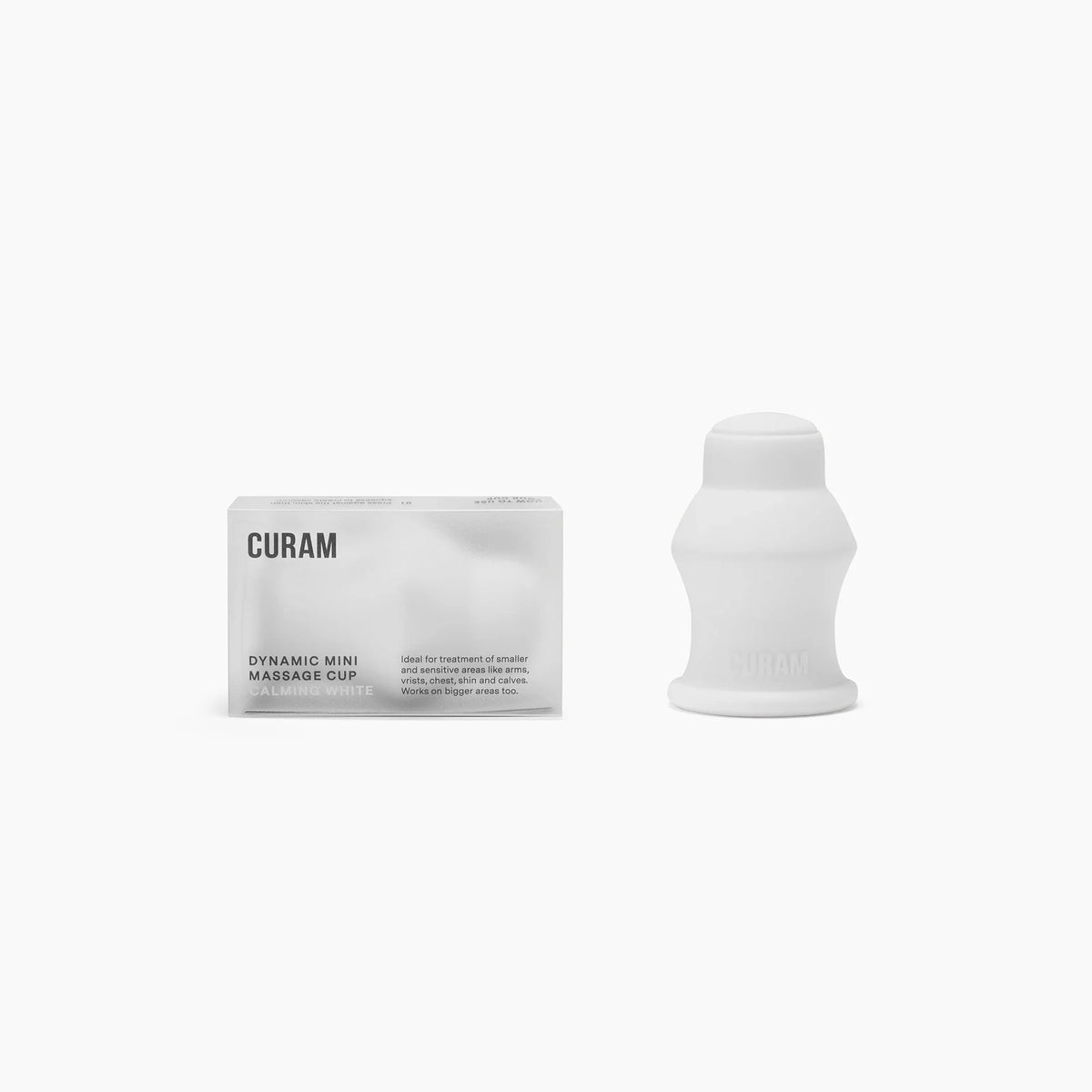
- The mini cup with very light suction: short, calm strokes from the base of the skull down along the sides of the neck and out over the shoulders, two minutes. Never over the cervical vertebrae or on the front of the throat.
- Between the shoulder blades and over the upper back, two minutes; ask for help or use static cups for three minutes with calm breathing.
- The chest muscle below the collarbone, one minute, since rounded shoulders after whiplash pull on the neck.
- Finish with chin tucks and mobility exercises. Twice a week. Stop if dizziness, numbness or headache increase.
Do not cup in the first one to two weeks, with grade 3 (numbness, weakness) or grade 4, with dizziness that has not been investigated, over the spine or the front of the throat, or if you take blood thinners. The technique is in Cupping on the back and the context in stiff neck and tight shoulders.
Frequently asked questions
How long does whiplash take to heal?
Most are substantially better in two to six weeks and recovered within three months, as with other sprains. The pain is often worst on days two to three. Problems lasting longer than three months count as long-term and are treated with continued gradual training; rest prolongs them.
Should you wear a neck collar with whiplash?
No, not with grade 1–2: a collar and rest prolong the problems and increase the risk of long-term pain. Gentle movement from the first day, pain relief when needed and normal activity have the best evidence. A collar is used only on a doctor's instruction for more serious injuries.
Which exercises help with whiplash?
Gentle neck movements in all directions from day one, chin tucks, isometric strength against the hand, shoulder blade pulls and walks; from weeks two to three neck exercises with resistance, posture work and cardio. Gaze stabilisation for dizziness. Pain with movement does not mean damage.
Can you cup the neck after whiplash?
Not in the first one to two weeks, and not with numbness, weakness or uninvestigated dizziness. Once the acute pain has subsided, light cupping of the upper trapezius, shoulders and upper back can reduce the protective tension and make the exercises easier, as a complement to the training. Never over the cervical vertebrae or the front of the throat.
Why do some people get long-term problems after whiplash?
Rarely because of a remaining injury; more often because the nervous system has become oversensitive and the muscles are held tight, amplified by fear of movement, rest and a collar, stress and lack of sleep. Early movement, good information and gradual training reduce the risk, and problems can be improved even after a long time.
Sources
- 1177 Vårdguiden (Swedish national health guide), search for "whiplash" and "pisksnärtsskada" for medical information, grading and when to seek care.
- Curam's FAQ and cupping programs, developed with trained massage therapists.
Related guides
Written by Curam. Last updated 17 October 2026. This is general self-care information and does not replace medical care. For sudden, severe or unusual symptoms, contact your doctor. Talk to your doctor before cupping if you are pregnant, take blood thinners or have a condition affecting skin, blood vessels or blood.


