


Blood pressure is the pressure that drives blood from the heart out to the brain and body. The upper (systolic) value is the pressure when the heart contracts, the lower (diastolic) when it rests. There is no official limit for low blood pressure the way there is for high; under 90/60 is often quoted, but many people, especially slim young women and the well-trained, live their whole lives with 85/55 and feel excellent. Low blood pressure is a problem only when it causes symptoms: dizziness, things going black, tiredness, fainting, and that almost always happens in a situation where the pressure falls quickly, above all when you stand up. Then gravity pulls half a litre of blood down into the legs and abdomen, and in someone with low pressure, too little fluid, lax vessels, weak leg muscles or medicines that dilate the vessels, the body doesn't compensate in time, so the brain gets too little blood for a few seconds. This is called orthostatic hypotension and is defined as a drop of at least 20 mmHg in the upper or 10 in the lower value within three minutes of standing up. This guide covers the symptoms, the causes, what counts as too low, low blood pressure in pregnancy and in the elderly, when to seek care, and what helps. For dizziness from other causes, see dizziness, and for the opposite problem, high blood pressure.
Symptoms of low blood pressure
- Dizziness, things going black or flickering before the eyes when you stand up, especially from bed in the morning, from squatting, after a long time still, in heat and after meals.
- Feeling faint or fainting, often with warning: pale, cold sweat, nausea, ringing in the ears, tunnel vision.
- Tiredness, lack of energy and a slow start to the day; less stamina in heat and after large meals.
- Concentration problems, brain fog, headache, sometimes a diffuse ache in the neck and shoulders ("coat-hanger ache") when you stand for long.
- Cold hands and feet, pallor, palpitations as the body compensates, a fast pulse when you stand up.
- Nausea, blurred vision, weakness in the legs with prolonged standing.
Causes of low blood pressure
| Cause | Typical of |
|---|---|
| Constitutional (hereditary) low pressure | Slim, young, often women, well-trained; have always had it, feel fine except in certain situations; harmless |
| Fluid deficit and heat | Too little to drink, sweating, fever, diarrhoea, vomiting, hot baths, sauna, alcohol the night before; the most common triggers of symptoms in someone with low pressure at baseline |
| Medicines | Blood pressure medicines (especially too high a dose in the elderly), diuretics, nitrates, alpha blockers (prostate), antidepressants, Parkinson's medicines, erectile dysfunction medicines, sedatives; a newly started or increased medicine followed by dizziness should always be reported |
| Orthostatic hypotension | The pressure falls on standing; more common with age (up to one in four over 65), with diabetes with nerve involvement, Parkinson's, prolonged bed rest, and medicines |
| After meals (postprandial hypotension) | Blood goes to the gut; the elderly, large carbohydrate-rich meals, alcohol with food |
| Pregnancy | The pressure drops normally in the first and second trimester from hormones that dilate the vessels; dizziness on standing and lying on the back (the uterus presses on the vena cava) is common and harmless if it passes when you change position |
| Iron deficiency and anaemia | Less blood and oxygen; dizziness plus tiredness, pallor, palpitations; see iron deficiency |
| Vasovagal reaction | Fainting at blood tests, pain, the sight of blood, long standing in heat, fear; the nervous system lowers pulse and pressure suddenly; harmless but unpleasant |
| Heart disease | Rhythm disturbance, heart failure, valve disease, heart attack; low pressure with chest pain, breathlessness or an irregular pulse is an emergency |
| Hormonal and other diseases | Adrenal insufficiency (Addison's: tiredness, weight loss, salt craving, darker skin), underactive thyroid, diabetes, severe infection (sepsis), allergic shock, internal bleeding |
| POTS (postural orthostatic tachycardia syndrome) | The pulse rises sharply (over 30 beats) on standing while the pressure holds; young women, often after infection (including covid); dizziness, palpitations, tiredness, brain fog |
What counts as too low
What decides is the symptoms, not the number. A pressure of 90/60 without symptoms is not a diagnosis. Under 90 in the upper value with dizziness, fainting or tiredness is called symptomatic hypotension and should be investigated. A drop of 20/10 mmHg or more within three minutes of standing is orthostatic hypotension regardless of the baseline, and that is what causes falls in the elderly. Measure yourself: lie down for ten minutes, measure, stand up, measure after one and three minutes; note the pulse too (if the pulse rises over 30 beats without the pressure falling, that suggests POTS). Bring the values to your doctor. In the elderly on blood pressure medicine the goal is not as low as possible but as low as tolerated without dizziness; a standing pressure under 110 with symptoms is reason to review the medicines.
When to seek care
Call emergency services with low blood pressure with chest pain, breathlessness, an irregular or very fast pulse, fainting without warning or during exertion, fainting with injury, confusion, black stools or vomiting blood, high fever with chills, or a sudden severe allergic reaction. See your doctor soon with dizziness and faintness that is new, recurs several times a week, comes after a new medicine, in the elderly at risk of falling, with simultaneous tiredness, weight loss, salt craving or darker skin, with palpitations on standing, with signs of anaemia, and during pregnancy if the dizziness doesn't pass when you change position. With recurrent fainting in a young person without a clear vasovagal trigger an ECG is always taken.
What really helps
- Fluids: two to three litres a day, more in heat and with training; a large glass of water (400–500 ml) drunk quickly in the morning or before something you know causes dizziness raises the pressure within 15 minutes for up to an hour (the so-called water bolus). Morning coffee helps some, but keep it to before lunch.
- Salt: someone with low blood pressure without heart or kidney disease may salt more, contrary to all advice to the population; 6–10 g a day, broth, salty snacks, salted water when sweating. Ask your doctor if you take medicines or are pregnant with high pressure.
- Stand up in stages: sit on the edge of the bed for a minute, tense the legs and stomach, stand up with support, stand still for ten seconds before walking. Don't bend down and up quickly; squat instead of bending the back.
- Counter-manoeuvres when the dizziness comes: cross the legs and tense thighs, buttocks and stomach hard for 30 seconds, clench the hands, march on the spot, sit with the head between the knees or lie down with the legs up. That pushes the blood back to the heart and stops most faints if you do it at the warning.
- Compression stockings (class 1–2, up to the thigh or waist if needed) and an abdominal binder stop blood pooling in the legs; most effective in the elderly and with orthostatic hypotension.
- Leg muscles: the calf pump and the thigh muscles are what drive the blood back; strength training for the legs, cycling, swimming, walking; avoid standing completely still for long (rock, shift your weight, heel raises).
- Small, frequent meals with fewer fast carbohydrates, and no alcohol with food, against dizziness after meals; rest sitting for a while after large meals.
- Heat: shorter and cooler showers, caution in the sauna and hot baths (sit down when getting out), more fluids in heat.
- A raised head end of the bed (10–15 cm) reduces night-time urine production and morning dizziness.
- Medicine review: ask about the dose and timing of blood pressure medicines, diuretics and other things that lower the pressure; never change them yourself.
- Sleep and stress: sleep deprivation and stress worsen orthostatic dizziness; see sleep.
- Medicines (midodrine, fludrocortisone) exist for severe orthostatic hypotension that doesn't respond to the above, via a doctor.
Cupping and circulation with low blood pressure
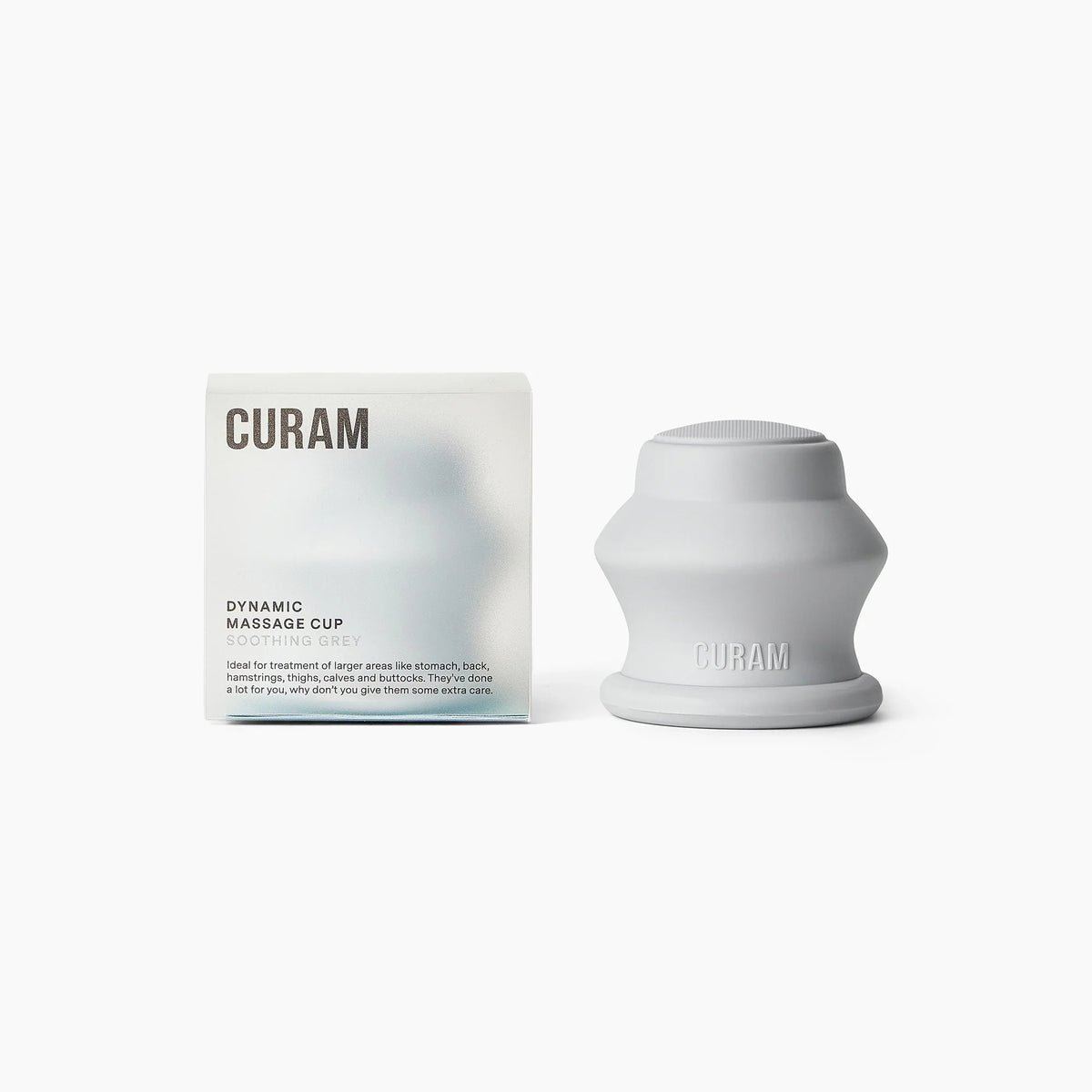
Cupping neither lowers nor raises blood pressure in any lasting way, but it improves what is often lacking with low pressure: the return flow from the legs and the peripheral circulation. Cupping of calves and thighs increases blood flow in the muscles and skin several times over, activates the calf pump and softens tight, tired legs, and cold hands and feet become warm for hours. Draw the dynamic cup with a little oil slowly from the ankle towards the back of the knee and from the knee towards the groin, always towards the heart, five minutes per leg, sitting with the leg up or lying down; finish with the legs up for a few minutes. Three rules: cup lying or sitting, not standing, and get up slowly afterwards, since cupping opens the skin's vessels and can give a small drop in pressure if you stand up straight away; drink a glass of water before and after; and don't cup the neck (the carotid sinus at the angle of the jaw reacts with a drop in pulse) or when you are already dizzy, dehydrated, feverish or have been drinking. With iron deficiency, heart disease or a newly started medicine it is the cause that should be treated; otherwise cupping does good for tired legs and cold feet in someone who simply has low pressure at baseline. Read poor blood circulation and when to avoid cupping.
Read more
Dizziness, high blood pressure, iron deficiency, tiredness, palpitations, cold feet and hands, always cold, and poor blood circulation.
Frequently asked questions
What are the symptoms of low blood pressure?
Dizziness and things going black when you stand up, feeling faint with pallor, cold sweat and nausea, tiredness and a slow start to the day, concentration problems, cold hands and feet, palpitations on standing, and an ache in the neck and shoulders when you stand for long. The symptoms come in situations where the pressure falls quickly: standing up, heat, after meals, with fluid deficit and after alcohol.
What counts as too low blood pressure?
There is no limit that applies to everyone; under 90/60 is often mentioned, but many feel fine with that. It is too low when it causes symptoms, and orthostatic hypotension is a drop of at least 20 in the upper or 10 in the lower value within three minutes of standing, regardless of the baseline. Measure lying and standing after one and three minutes, and note the pulse: if it rises over 30 beats without a drop in pressure, that suggests POTS.
What should you do about low blood pressure?
Drink two to three litres a day and a large glass of water quickly in the morning, salt more if you don't have heart or kidney disease, stand up in stages, tense the legs and stomach when the dizziness comes, use compression stockings, train the leg muscles, eat small frequent meals without alcohol, be careful with heat, raise the head end of the bed, and ask your doctor to review medicines that lower the pressure. Cupping of calves and thighs improves the return flow from the legs.
When should you seek care for low blood pressure?
Call emergency services with low pressure with chest pain, breathlessness, an irregular pulse, fainting without warning or on exertion, confusion, black stools or high fever. See your doctor with new or recurrent dizziness, dizziness after a new medicine, in the elderly at risk of falling, with simultaneous tiredness, weight loss or salt craving, with palpitations on standing, and during pregnancy if the dizziness doesn't pass when you change position.
Can you cup if you have low blood pressure?
Yes, with three rules: cup lying or sitting and get up slowly afterwards (cupping opens the skin's vessels and can give a small drop in pressure), drink water before and after, and don't cup the neck or when you are already dizzy, dehydrated, feverish or have been drinking. Cupping of calves and thighs towards the heart improves the return flow from the legs and warms cold feet, but doesn't affect blood pressure itself and doesn't replace treatment of iron deficiency, heart disease or a medicine side effect.
Written by Curam. Last updated 17 October 2026. This is general self-care information and does not replace medical care. For sudden, severe or unusual symptoms, contact your doctor. Talk to your doctor before cupping if you are pregnant, take blood thinners or have a condition affecting skin, blood vessels or blood.


