


Blog

Därför ser Curams koppar ut som de gör
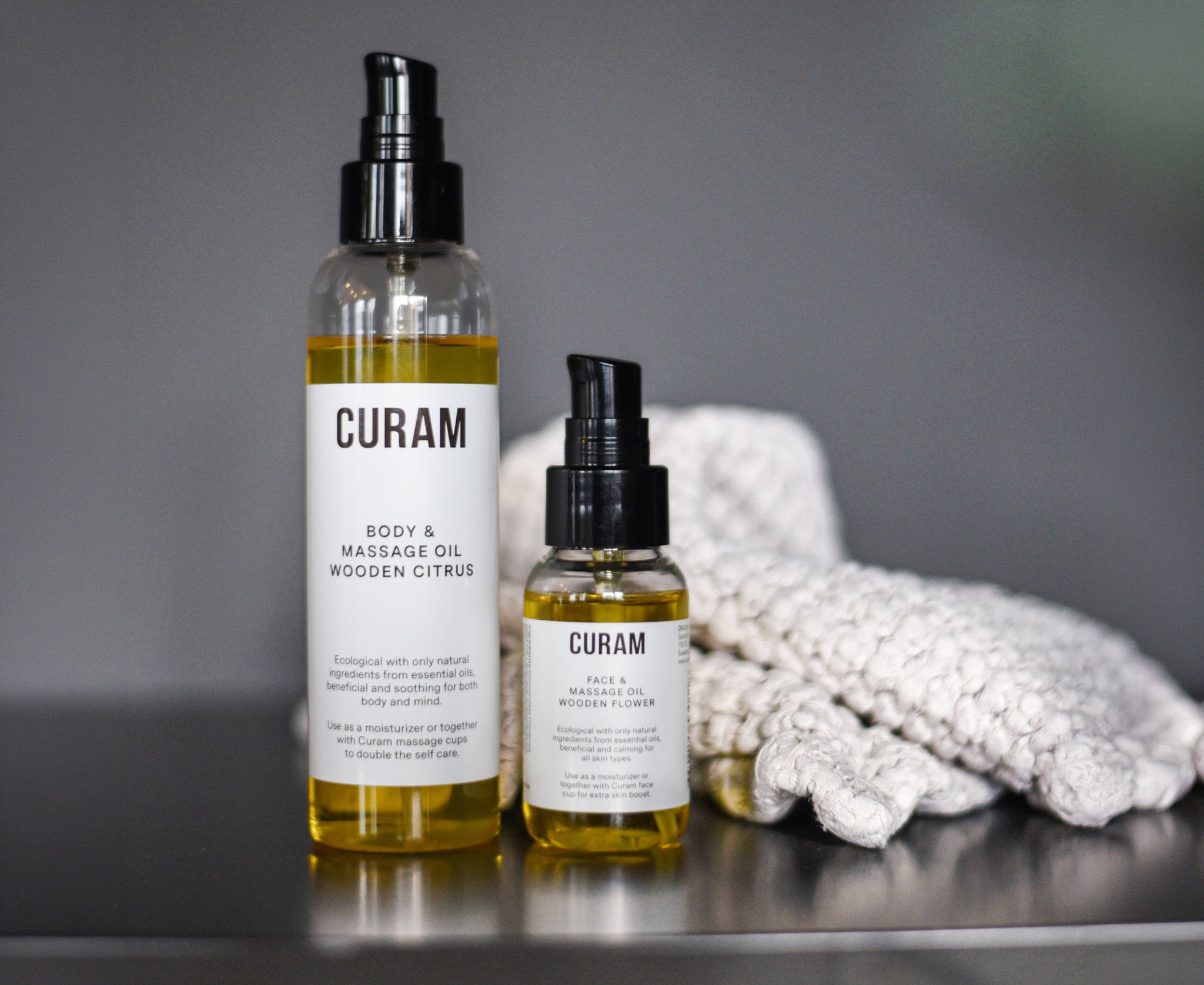
Det finns en anledning till att Curams koppar inte ser ut som traditionella koppar. Varje form, kant och detalj är framtagen för att göra koppning enklare att använda i verkliga livet. Inte bara i teorin, utan hemma i badrummet, efter träning, i en ansiktsrutin eller mitt i en vanlig vardag när kroppen behöver lite stöd. För oss handlar design inte om att något ska se speciellt ut för sakens skull. Det handlar om att det ska fungera bättre, kännas bättre och vara lätt att återvända till. Där livet händer. Ett material som håller över tid Curams koppar är gjorda av 100% rent silikon. Det gör dem följsamma, slitstarka och behagliga att arbeta med över tid. Till skillnad från gummi torkar silikon inte ut på samma sätt. Materialet behåller sin kvalitet och blir dessutom ofta mjukare och mer flexibelt ju mer du använder kopparna. Det gör att de inte bara håller länge, utan också kan kännas ännu bättre efter en tids användning. Silikon är också ett material som fungerar i många olika sammanhang. Det tål både höga och låga temperaturer, vilket gör att kopparna fungerar lika bra i vardagen som i mer specifika miljöer, som till exempel bastu. Formade för rörelse och kontroll Våra dynamiska koppar och ansiktskoppar är formade för att ligga bra i handen och ge bättre kontroll över suget. Det gör det lättare att anpassa användningen efter området du jobbar med och efter hur du vill att behandlingen ska kännas. Den rundade kanten hjälper koppen att glida mjukt över huden. Formen gör också koppen mer följsam över områden där kroppen inte är helt rak, som längs käklinjen, kinderna eller andra konturer där du vill kunna arbeta med precision utan att det känns stelt eller klumpigt. När koppen ligger naturligt i handen blir det enklare att justera grepp, tryck och rörelse under tiden. Det gör användningen mer intuitiv, och ofta också mer behaglig. Designade för att fästa och sitta still De statiska kopparna är designade på ett annat sätt. Den platta undersidan hjälper dem att fästa ordentligt och sitta still där du vill ha dem. Det gör dem särskilt användbara när du vill att koppen ska stanna kvar på ett område, men också när du vill kunna växla mellan stillastående placering och rörelse. Linjen på koppen finns där för att visa var det är som mest naturligt att trycka ihop den från sidorna för att skapa fäste. Du kan också använda loggan på ovansidan för att fästa koppen, beroende på vad som känns mest naturligt i handen. Det är små detaljer, men de gör stor skillnad i användning. När formen stöttar funktionen blir koppen enklare att förstå och lättare att använda om och om igen. Enklare att rengöra, lättare att leva med Materialvalet gör också kopparna enkla att hålla rena. Jämfört med glaskoppar upplever många att silikonkoppar är lättare att rengöra, vilket gör dem till ett mer praktiskt och hygieniskt val i vardagen. Du kan tvätta dem för hand eller köra dem i diskmaskin om du vill. Att de tål både värme och kyla gör dem också enkla att använda i olika sammanhang, utan att du behöver vara särskilt försiktig. När ett verktyg är lätt att ta hand om, är det också lättare att faktiskt använda det regelbundet. Design som känns i användningen Curams koppar är utvecklade för att fungera med kroppen, handen och vardagen. Formen är inte där för att sticka ut. Den är där för att göra koppning mer följsamt, mer intuitivt och mer användbart över tid. Det är så vi ser på bra design. Något som känns genomtänkt redan första gången du använder det, och som blir lätt att återvända till.
Läs mer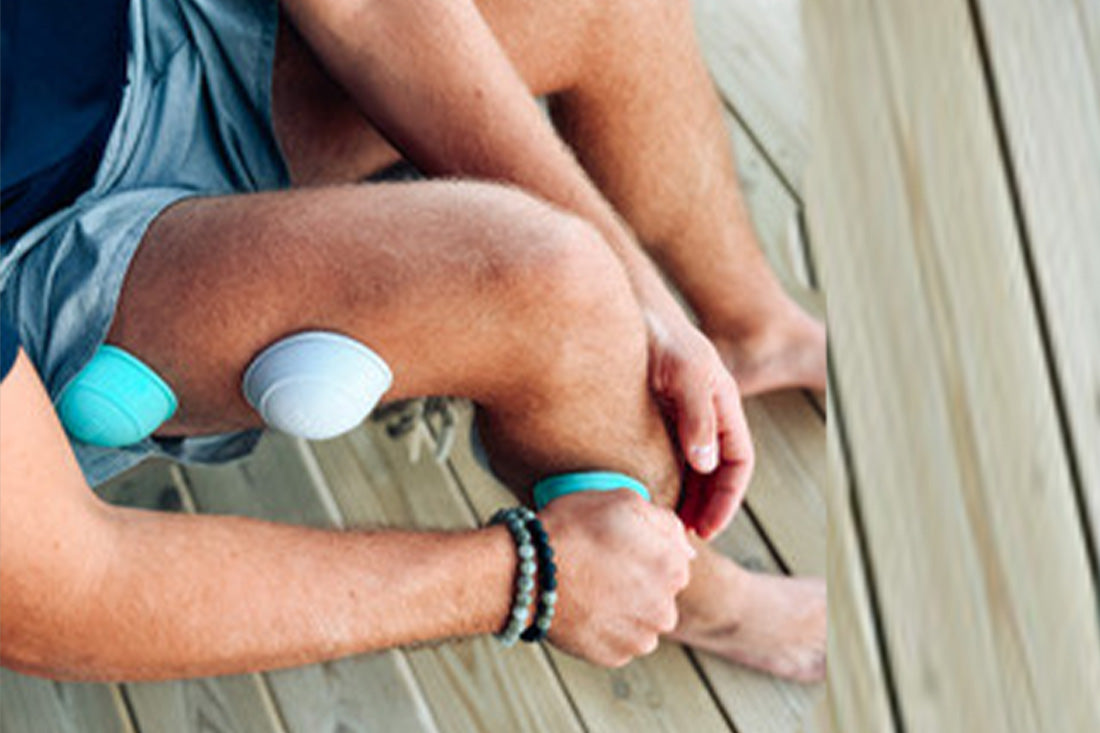
Bindvävsmassage: Är det bra och vad kan det göra för din kropp?
Att ta hand om vår fascia kan ha en stor inverkan på kroppen och vårt välbefinnande. Under workshopen "Ta hand om din fascia" ledde Camilla Åkesson oss genom en inspirerande resa i hur vi kan förstå och vårda denna viktiga vävnad som finns i hela kroppen. Camilla har lång erfarenhet av träning, massage, fascia-behandlingar, yoga och dans – och hon delade generöst med sig av sin kunskap om fascian, lymfan och hur specifika tekniker kan förbättra vår hälsa. Vad är fascia och varför är den viktig? Fascian omger våra muskler, organ och leder. Den fungerar som ett stöd och ger struktur åt hela kroppen. Det finns två huvudtyper: flytande fascia och fast fascia. Den fasta fascian är mer känd som bindväv och omger leder och ligament, medan den flytande fascian hänger samman med lymfsystemet. Camilla förklarade att vi inte kan tala om fascia utan att också nämna lymfan – de är starkt sammanlänkade. Fascian penetrerar varje cell i kroppen och skapar ett nätverk som håller oss samman. Hon liknade den vid ett gummiband som går från huvudet till fötterna – rör vi vid ena änden påverkar det hela systemet. Hur påverkar fascia vår kropp? Fascian påverkas främst av rörelse – eller bristen på den – och är starkt kopplad till nervsystemet. Stress och spänningar gör fascian stel och stram, medan lugn och avslappning gör den mjukare och mer följsam. Camilla lyfte även ett modernt dilemma: vår vilja till snabba lösningar. Vi vill ha en "quick fix", men kroppen behöver tid och omtanke för att läka och återhämta sig. Hur kan vi arbeta med vår fascia? Camilla visade under workshopen hur vi kan arbeta med fascian genom hela kroppen med hjälp av Curams koppar. Hon gav konkreta tips och visade hur olika delar av fascian hänger ihop. Till exempel demonstrerade hon hur man med dynamisk ansiktskoppning vid nyckelbenen kan lyfta fascian genom att pumpa med koppen. Hon visade också hur man applicerar Curams Face and Massage Oil före koppning av ansikte och hals, för att ge extra näring och förbättra effekten. Ett särskilt intressant moment var när Camilla förklarade hur spänningar i käken kan påverka höfter och skenben – ett tydligt exempel på hur allt i kroppen hänger ihop. Ta hand om din fascia – varje dag Att ta hand om fascian är en investering i både kropp och välmående. Med rätt tekniker och behandlingar kan du skapa en mer flexibel, balanserad och hälsosam kropp – och det börjar med att förstå och vårda fascian. Missade du workshopen? Ingen fara! Du kan fortfarande ta del av den i efterhand.Maila support@bycuram.com så skickar vi en länk till dig.Vill du se när nästa workshop hålls? Besök sidan för kommande workshops och boka din plats!
Läs mer
Koppningsmärken: Vad de betyder och varför de uppstår enligt Traditionell Kinesisk Medicin (TMC)
Vad är koppningsmärken? Koppningsmärken kan uppkomma efter att du har koppat dig och kan ibland likna blåmärken, men de är inte farliga. Dessa märken uppstår som ett resultat av ökat blodflöde och kroppens utrensningsprocess. Koppning används inom Traditionell Kinesisk Medicin (TMC) för att hjälpa kroppen att ta bort stagnation, vilket kan förbättra cirkulationen och lindra muskelspänningar. Varför uppstår koppningsmärken? Koppningsmärken uppstår när stagnation av blod, lymfa eller Qi (livsenergi) påverkar kroppens naturliga flöde. Denna stagnation kan orsaka trötthet, svullnad och brist på energi. Genom koppning kan man lösa upp blockeringar och främja ett bättre flöde i kroppen. Detta gör att du kan uppleva minskad smärta och bättre rörelseförmåga. Koppningens effekter på blodflödet och stagnation Koppningsmärken kan ha olika färger och nyanser. Enligt TMC indikerar mörkare färger på koppningsmärken att stagnationen är djupare, medan ljusare märken tyder på ett bättre flöde. Vi på Curam har ofta märkt att områden som fått mörkare märken har blivit ljusare efter några koppningssessioner, vilket vi ser som ett tecken på förbättrad cirkulation och läkning. Individuella variationer vid koppning Eftersom vi alla reagerar olika på stagnation och koppningens effekter, kan koppningsmärken variera beroende på individens cirkulation, hälsa och livsstil. Det är viktigt att känna efter och notera hur just din kropp reagerar på behandlingen. På Curam förespråkar vi en aktiv och varierad livsstil som inkluderar tid för återhämtning, näringsrik kost och regelbunden motion för att främja kroppens välmående. Hur länge varar koppningsmärken? Läketiden för koppningsmärken varierar beroende på personens kropp, hud och hälsotillstånd. Generellt sett försvinner koppningsmärken efter några dagar. För att hjälpa kroppen efter en koppningssession rekommenderar vi att du dricker mycket vatten.
Läs mer
Allt du behöver veta om de lymfatiska systemet
Vad är egentligen det lymfatiska systemet eller lymfan? Många av oss har säkert hört talas om lymfsystemet och att den är viktigt för att kroppen ska kunna göra sig av med orenheter. Men hur många vet egentligen vad det innebär och faktiskt gör för kroppen? I denna text finner du allt du vill och behöver veta om det lymfatiska systemet! Lymfsystemet sträcker sig över hela kroppen och innefattar flera olika organ och system, många som man normalt sett associerar med något annat än besvär. Halsmandlarna, lymfkörtlar och njuren är de tre mest välkända delarna av lymfsystemet. Halsmandlarna är för många förknippade med halsproblem, infektioner och besvär. Men det är ett av kroppens första försvar mot orala infektioner. Halsmandlarna är fyllda av lymfatiska celler som innehåller vita blodkroppar, den här genomskinliga vätskan är en expert på att fånga upp slaggprodukter och gifter för att sedan göra sig av med de. Lymfvätskan pulserar genom hela kroppen och samlar upp skadliga ämnen och skadade celler för att sedan forsla ut dem. I samband med att slaggprodukter sorteras ut, främjar lymfan t-celler och b-celler samt produktionen av antikroppar. Lymfan börjar låta ganska viktig, inte sant? Vad kan du göra för att bibehålla ett bra lymfsystem? Det finns olika sätt att främja ett välmående lymfsystem utan större ansträngning. Eftersom lymfsystemet även är ihopkopplat till kroppens blodcirkulation är det viktigt att bibehålla god cirkulation för att även lymfan ska må bra. Curams tips på hur man kan bibehålla ett bra lymfflöde är: Håll igång en bra diet Det må låta tjatig men en bra diet är första steget till god hälsa överlag. Eftersom lymfan här också är direkt kopplat till blodcirkulationen och består till större delen av vatten, är det viktigt att inte låta kroppen torka ut. Drick rikligt med vatten, gärna citronvatten då det hjälper kroppen att ta upp både vätska och bryta ner mat. Se till att maten du äter innehåller rikligt med vitaminer och mineraler samt goda fetter. Djupandning Djup och lugn andning, bra för lymfan? Blodet behöver syre, syret stimulerar mer än bara sinnet. Genom att andas in djup med bröstet i 4 sekunder, hålla andan i 4 sekunder och sedan andas ut under 8 lugna sekunder, ökar du mängden syre i blodet. Det här är en bra övning att göra om du känner dig nervös, vill lugna ner kroppen för att somna lättare eller för att främja blodcirkulationen och lymfans välmående. Kom ihåg att stanna upp och andas även när du har en stressig dag! Lymfmassage Vad kan vara bättre för att direkt påverkar lymfan än massage? Lymfmassage är en typ av massage som aktiverar bindväven på djupet och på så sätt även aktiverar lymfan. Ett av de enklaste sätten att göra djupmassage på är att koppa sig. Här kan du läsa mer om våra koppningstekniker för att aktivera lymfan. Kopparna skapar ett negativt tryck genom att använda vakuum, omvänt från traditionell massage som skapar ett tryckt inåt kroppen, koppning suger alltså åt motsatt håll. Koppning fungerar som en omvänd massage. HEAT by Sophia Lie på Birger Jarlsgatan erbjuder LPG massage vilket är en form av djupmassage som direkt påverkar lymfsystemet. Varför inte lyxa till det för din lymfa och besöka dom för en behandling? Här kan du läsa mer om deras behandlingar. Glöm inte att komplettera med koppning som egenbehandling! ; ) Motion och regelbunden träning Regelbunden träning är utöver god kost det bästa sättet att hålla igång kroppen och främja långvarig hälsa. Motionera regelbundet och och stretcha ordentligt, på så sätt behåller du inte bara ett bra lymfsystem utan även en ung och välmående kropp. Upplever du problem med stagnation i benen kan detta bero på att lymfan inte mår så bra där. För att motverka detta rekommenderas lätt motion för benen såsom löpning. Har du långvariga problem kan du läsa vårt inlägg om RLS här . Nu vet vi vad lymfsystemet gör och vad man kan göra för att bibehålla ett välmående lymfsystem. Som med allt gott så finns det även en baksida till lymfan, när lymfan av olika anledningar inte klarar av att göra sitt jobb med att tömma kroppen på skadliga slaggprodukter. Vi vet redan att om halsmandlarna, som är ett av de primära lymf organen slutar fungera som de ska så måste de tas ut. Följden blir ofta att man lättare råkar ut för halsbesvär för att det där försvaret inte längre finns kvar. Idag är det betydligt mer ovanligt att man får problem med halsmandlarna än tidigare tack vare modern medicin. Lymfödem och svullnader Ett vanligt förekommande och allvarligt problem som förekommer i samband med ett dåligt fungerande lymfsystem, är lymfödem. Lymfödem orsakas av att lymfan inte klarar av att transportera bort överbliven vätska och slaggprodukter. När slaggprodukterna och vätskan inte transporteras ut som det ska, fastnar dessa istället vilket orsakar vätskefylld svullnad. Svullnaden kan vara allt från lätt till högst allvarlig och kan orsaka mycket smärta. Vanligast behandlas lymfödem med olika former av kompression verktyg såsom kompressionsstrumpor och liknande. Genom kraftig kompress aktiveras lymfan och får snålskjuts för att börja transportera slaggprodukter. Som med all behandling av kroniska besvär är det viktigt att en person med lymfödem bibehåller behandling för att undvika besvär. För personer som är överviktiga och/eller sitter eller står stilla större delen av dagen är risken för lymfödem större. Har du ett arbete som kräver mycket stillastående, rekommenderas det att du tar regelbundna pauser och aktiverar kroppen. Sänkt immunförsvar Som vi redan vet så är lymfan en viktig komponent för att immunförsvaret ska fungera optimalt. Fungerar det inte så försämras också immunförsvaret vilket i sin tur leder till ökad risk för infektioner och andra besvär. Nu har du fått dig en rejäl dos av information om lymfan! Hoppas du blev motiverad till att ge ett av kroppens viktiga reningssystem lite extra kärlek. Det är viktigt att hålla igång lymfan för att bibehålla ett bra immunförsvar och främja långvarig hälsa. Upplever du hälsobesvär rekommenderar vi dig att söka läkarvård så snart som möjligt. På Vårdguiden 1177 kan du läsa mer.
Läs mer
WED (Willis-Ekboms sjukdom) - Restless legs syndrome
WED (Willis-Ekboms sjukdom) - Restless legs syndrome Willis-Ekboms sjukdom (WED), mer vanligt förekommande som Restless Legs Syndrome (RLS) påverkar främst benen i form av att det pirrar, känns som att det kryper under huden, känns statiskt osv. Sjukdomen kan även påverka större delar av kroppen men är enligt studier mindre vanligt förekommande. RLS framträder oftast i 30 till 40 årsåldern och är primärt ett problem hos kvinnor men påverkar även män. RLS är oftast medfött och kommer i dessa fall runt 30 årsåldern. I de fall där sjukdomen inte är ärftlig utan sekundär framträder den oftast senare i livet. Runt 30% av gravida kvinnor får någon gång under graviditeten problem med RLS. Orsaken till att gravida drabbas är ofta på grund av brist på till exempel järn eller försämrad blodcirkulation. Personer med RLS upplever främst besvär under natten eller längre perioder av stillastående. Sjukdomen påverkar fibrerna i musklerna, dessa förvärras när blodcirkulationen försämras eller avtar, något som sker naturligt under till exempel natten. Längre resor är oftast besvärligt för personer med RLS eftersom de även här blir stillasittande under längre perioder. Symptom på RLS Vanligt förekommande problem hos personer med RLS är: Sömnsvårigheter (till följd av smärta) Uppvaknande under sömn Smärta Utmattning Försämrad återhämtning Metoder för att motverka RLS För att lindra besvären kan du pröva olika metoder och förhoppningsvis hitta en som passar bra för dig. Nedan följer sätt att lindra besvären baserade på studier av personer som lever med RLS. Regelbunden motion och stretching. Kyla/Värme på drabbat område Övningar som ökar blodcirkulationen Koppning Akupunktur Temperatursterapi Enligt studier säger de flesta att kalldusch av de drabbade områden innan sömn, hjälper att hämma att RLS kommer igång. Ett fåtal personer i jämförelse säger att varm dusch istället hjälper. Även här får man prova sig fram men det primära är att behandla drabbat område med hög eller låg temperatur innan sömn. Regelbunden motion Regelbunden motion och stretchning av hela kroppen och främst de drabbade områden hjälper att hålla kroppen och blodcirkulationen igång. RLS kommer främst i samband med stillastående som resulterar i stagnationer, därför är det viktigt för drabbade personer att inkludera så mycket rörelse som möjligt i vardagen och få igång blodcirkulationen. Koppning Koppning aktiverar bindväven på djupet samt främjar blodcirkulationen. Många upplever att koppning på de drabbade områden hjälper mot smärtan och är förebyggande mot RLS. Läs mer här om hur våra koppar fungerar och de olika koppnings-metoder som vi rekommenderar. För just RLS skulle vi rekommendera att börja med dynamisk koppning tillsammans med en välgörande olja och sedan låta de statiska kopparna sitta kvar en stund på utsatt område. https://bycuram.com/wp-content/uploads/2021/01/Webp.net-resizeimage-4.png Akupunktur Akupunktur används främst i Asien för att lindra symptomen av RLS. Det har även gjorts studier i västvärlden om huruvida akupunktur är ett effektivt sätt att lindra RLS på. Enligt en studie från 2015 där 38 personer deltog, fick samtliga individer behandling under 6 veckor. Besvären orsakade av RLS ska ha minskat kraftigt till följd. Som alla metoder som vi föreslår, kräver även akupunktur kontinuerligt utövande. Det finns idag ingen mirakelkur som botar RLS helt och hållet. Samtliga behandlingar kräver regelbundet utövande. Något man också kan testa är att äta magnesium tabletter samt fotbad med magnesium flakes i eller Epsomsalt. Eftersom RLS påverkar sömnen kan påföljderna av obehandlad RLS bli allvarliga efter endast en kort period. Tror du att du har RLS bör du söka vård så snart som möjligt. RLS ska inte förvirras med träningsvärk eller annan muskelvärk som endast förekommer i samband med ansträngning. Källhänvisning och mer läsning: 1177 Internetmedicin Healthline
Läs mer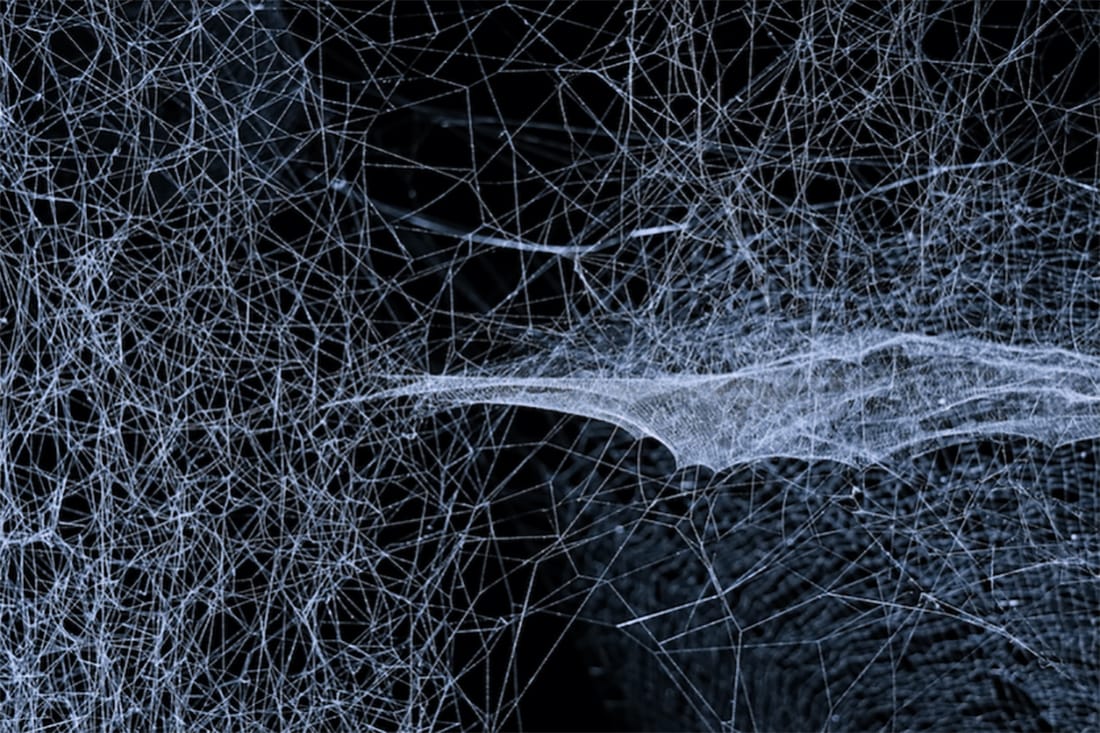
Fascia – kroppens kommunikationsnätverk
Forskningen kring Fascian De flesta av oss har nog hört talas om Fascian, men hur betydelsefull den är för oss är det nog färre av oss som är medvetna om. Forskningen kring Fascian är dessutom ganska ny vilket innebär att det finns fortfarande väldigt mycket som vi inte vet om denna vävnad. 2017 erkände forskningen fascian som kroppens största organ istället för huden, så nog finns det anledning att lära sig mer om detta! Fascian är i korta drag ett nätverk av bindväv utan början och slut och som omger alla våra delar av kroppen. Våra muskler, organ, nerver, blodkärl och skelett. Fascian består av en enda del och är det som håller skelettet på plats, det är alltså inte skelettet som håller uppe kroppen utan snarare skelettet som ”simmar i” fascian. Fascian fungerar även som ett kommunikationsnätverk som binder samman kroppens känslosystem med hjärnans tankesystem. Våra muskler är alltså helt omgivna och sammanvävda av olika lager av fascia. Detta innebär att när vi tränar och använder våra muskler påverkas både musklerna och fascian samtidigt. Fascian gillar variation i rörelser då den anpassar sig efter olika rörelsemönster och vid ensidighet tenderar att bli både svagare och mer benägen att skadas. På samma sätt som om vi är väldigt stillasittande anpassar sig fascian efter den positionen och vi kan lätt få en ”dålig” hållning. För mycket stillasittande innebär också att fascian lätt klibbar ihop, vilket i sin tur påverkar vår rörelseförmåga och kan leda till både smärta och värk. Om vi utför väldigt ensidig träning med liknande positioner rättar sig fascian på samma sätt efter det. Vilket är en anledning till att många som har mycket ensidig träning, såsom exempelvis löptränare, riskerar att få en framåtlutad kroppshållning. Därmed är det av stor betydelse för fascians hälsa att ha en både rörlig och varierad livsstil. Förutom varierade rörelsemönster är koppning ett bra sätt för dig att ta hand om din fascia, då koppning innebär en djup bindvävsmassage som får igång blodcirkulation och flödet i bindväven vilket motverkar att fascian stelnar till.
Läs mer